
How Much Does Landscaping Really Cost in the Hamptons, the Gold Coast and on the North Fork – and Why?
07.15.2026 | CATEGORY: General
An Inside Look at the Real Numbers, What’s Really Involved, Potential Surprises – & What To Do Before You Start Your Landscaping Project.
“Ok, how much is it gonna cost?”
Here at Owen Brothers, that’s the question we typically get within the first few minutes of an initial consultation with potential new clients.
And while that isn’t unique to our area here on Long Island, the areas we serve on Long Island are quite unique, and very different from one another. Having an understanding of how that impacts the cost of investing in your property can be very helpful, so we put this guide together to serve as a resource for people considering adding new or evolving existing landscaping features to their properties.
When you get that new home in The Hamptons, or maybe the North Fork, or even on North Shore in the Gold Coast, it’s exciting. So many possibilities. To renovate, to redo – to really make it yours. And a big part of that excitement is the landscaping, because the grounds that surround your home are as much a part of your living experience as the home itself.
But let’s be honest: there’s a reason why these areas are some of the most desirable, high-profile places to live in the world. They’re exclusive. The homes are not just houses – they are investments. And the bar for everything at this level is very high.
But when it comes to landscaping, unless they have navigated this sort of undertaking in the past, most people have no real understanding of what luxury landscaping actually costs.
Or, just an importantly, why.
Because of this, when they see a proposal from a company like Owen, or any of our professional peers who service these high-end markets, it can often look like nothing they’ve budgeted for. We understand and, to borrow a phrase, we live here too.
While most folks we speak with have, of course, done some basic cost research ahead of sitting down with us, much of that research is based on national averages. The reality, however, is the Hamptons, The Gold Coast or, increasingly, the North Fork are outliers; the economics of doing business is different, and it has nothing to do with simply charging higher prices because that is the expectation of cost in a luxury area. No, the reality is that there are a number of unique factors that contribute to this pricing, and that a high-end landscaping development company’s margins are really no different from a small company in another area of the country. But the cost of providing these services and executing at the level required here is much higher.
Hopefully, the following breakdown will help you better understand what to expect ahead of beginning your project. We invite you to read through this thoroughly, and should you have any questions whatsoever – even if you’re not intending to consider Owen as your landscape development provider – please feel free to reach out.
We sincerely love what we do, and we’re always here to help!
None Of These Things Are Quite Like the Other: Three Markets, Three Very Different Personalities.
People are often surprised at how distinct the Hamptons, North Fork and Gold Coast are from one another. Not just geographically, but also in terms of landscape style, client expectations and project economics. The following is a quick overview of each that, hopefully, will help you better understand these differences in a more concrete way so that you can be prepared for the unique factors involved in developing in each region.
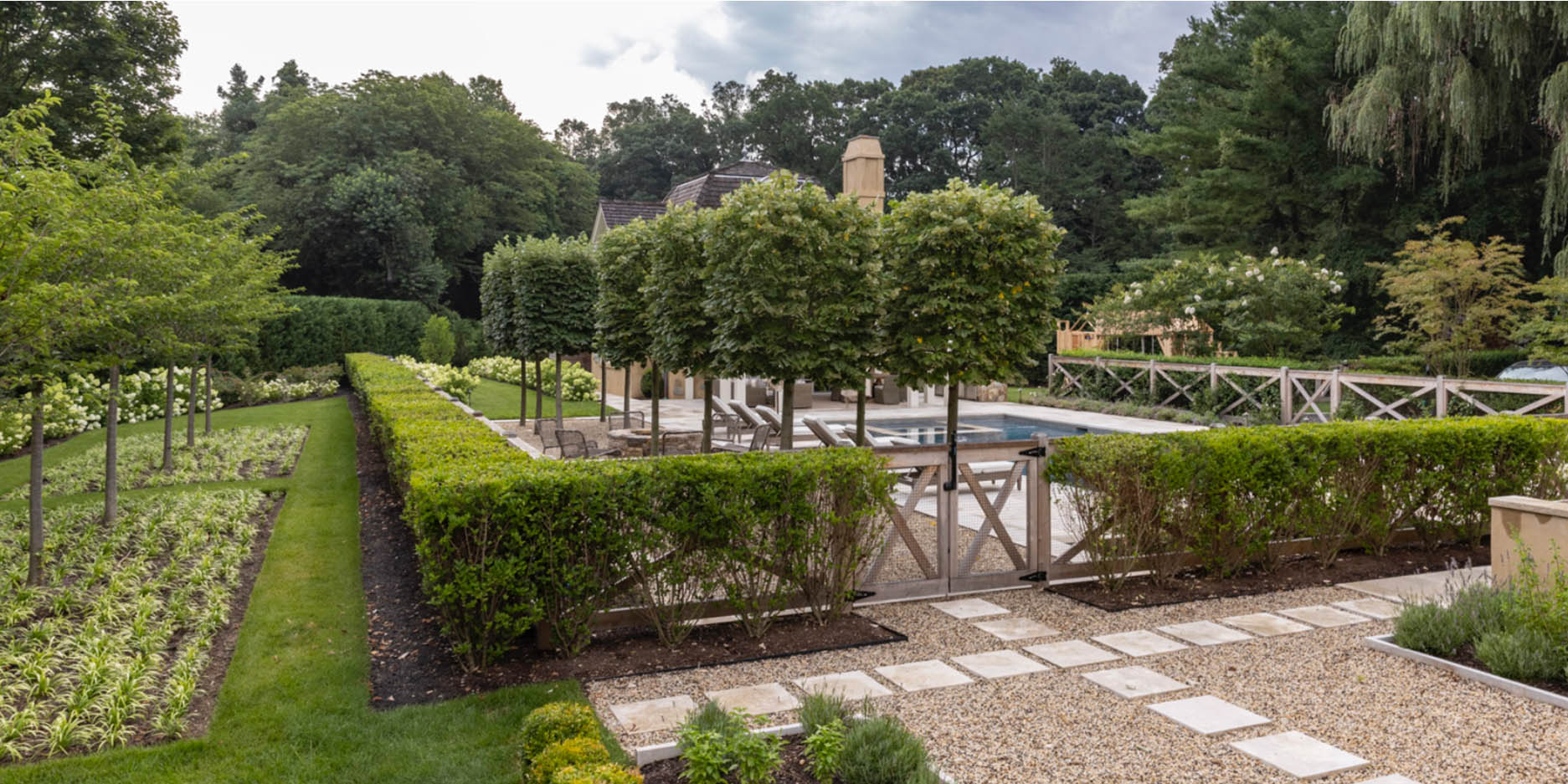
The Hamptons: This is still considered the premiere and most exclusive area on Long Island. It commands the highest premiums; its real estate market has consistent turnover and enjoys ever-increasing property valuations. It is not a market for amateurs; it attracts the most competitive and capable landscape firms and has the most compressed seasonal timeline. Because it has a comparatively short season, and everyone wants their property show-ready by Memorial Day, you have a labor crunch unlike anything you’ll find elsewhere.
“To be honest, the Hamptons can be a bit of a pressure cooker from a scheduling standpoint,” says Matt Albanese, Project Manager at Owen Brothers, “We have a large number of high-expectation clients who, understandably, want their properties to be perfect, all at the same time. However, we also have a finite number of truly skilled crews who can consistently deliver at that level. From a cost standpoint, it becomes a matter of supply and demand: finding, managing and maintaining the best craftsman at this pace costs money. Like any business, you pay for talent and experience, which is what is necessary to meet our promises to our clients and industry partners who also trust us to execute their visions. Our people are excellent at what they do. And this inevitably becomes part of the pricing equation.”
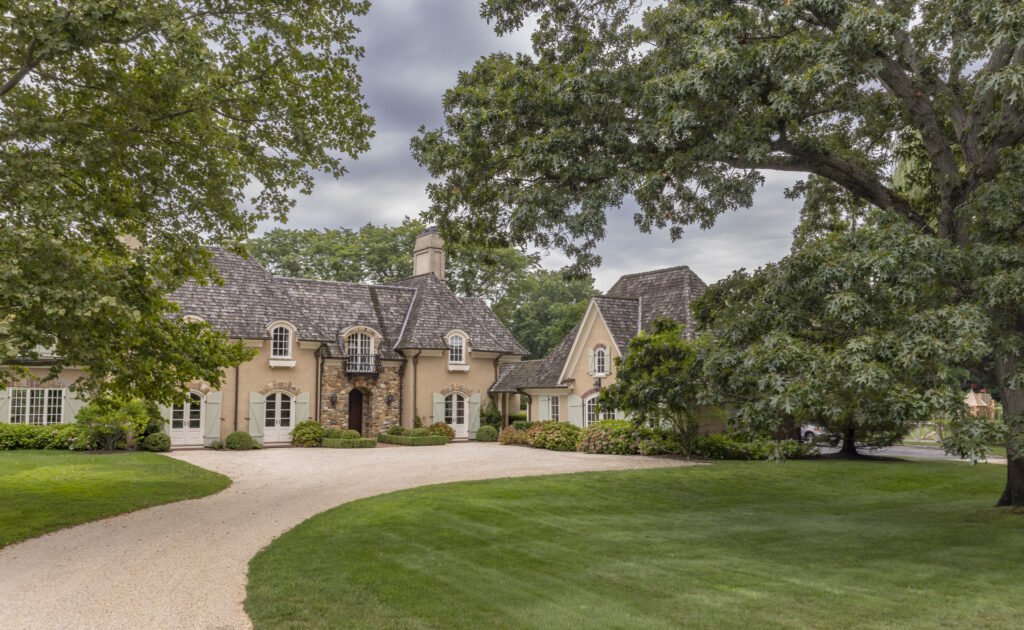
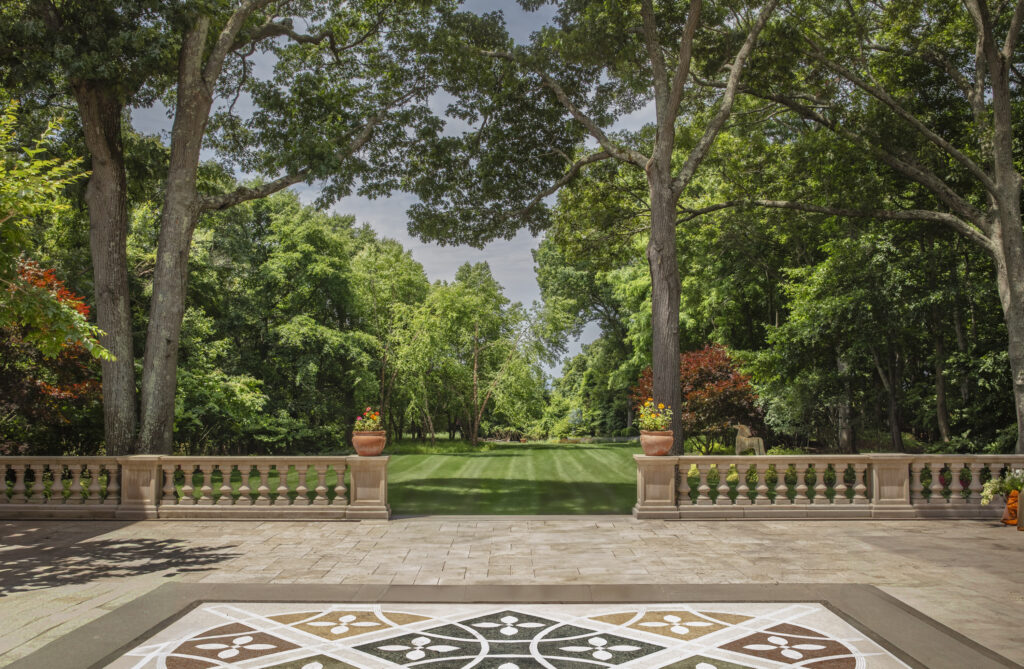
The Gold Coast: This iconic, exclusive region on Nassau County’s North Shore has a very different, though no less desirable, DNA when compared to The Hamptons. The Gold Coast is typically associated with old money, Gilded Age estates and an equal – but somewhat different – style of wealth and expectation. From a landscaping perspective, we often see a more traditional aesthetic when working on projects here; formal symmetry sweeping lawns, specimen trees, detailed hand-crafted stonework and more European-influenced garden design. While there are, of course, some more modernist styles, projects here typically rival those in the Hamptons in both scope and sophistication.
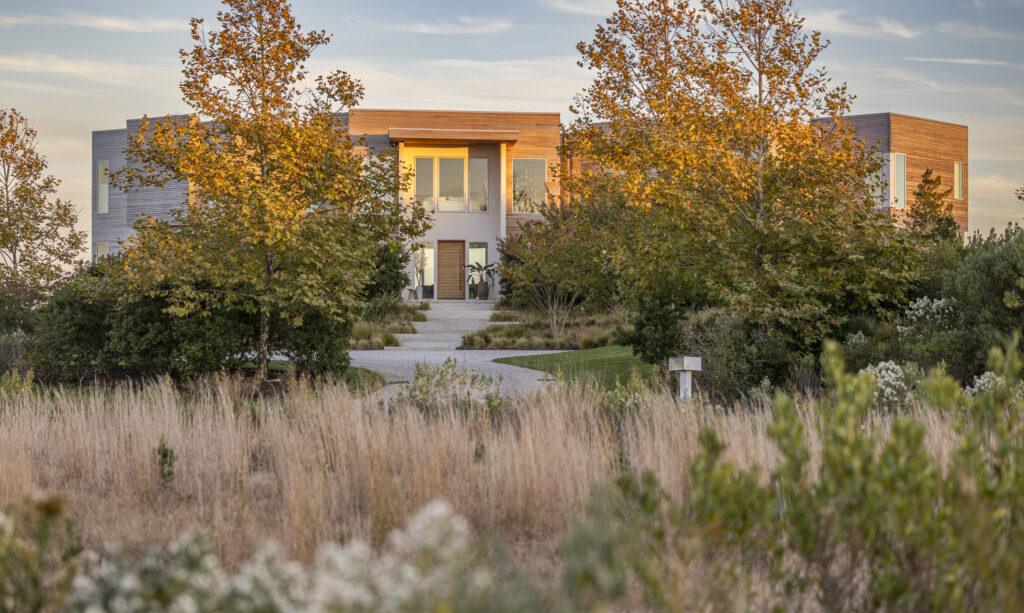
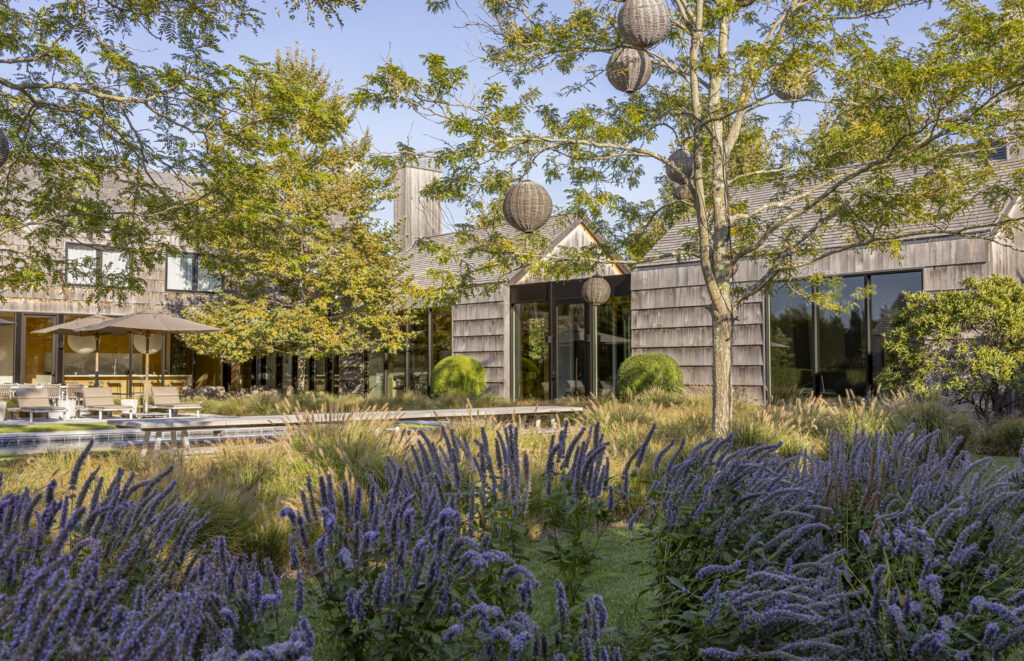
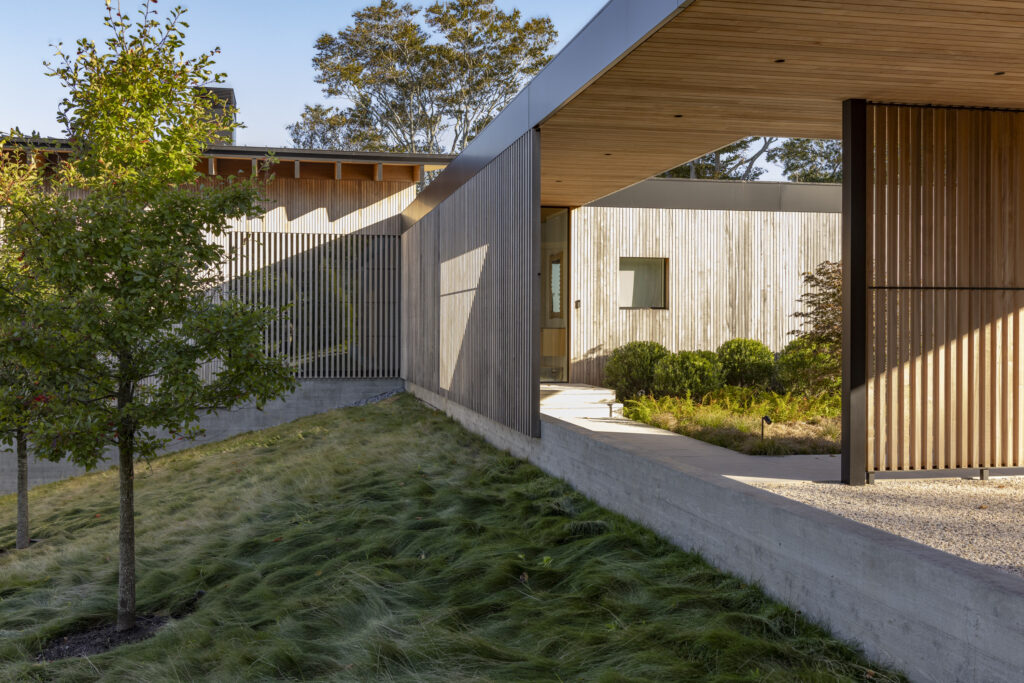
The North Fork: The North Fork is very different than both the Hamptons and Gold Coast markets and is a comparative, but credible, newcomer to Long Island’s luxury regions. Stylistically, it’s more naturalistic, with more of a low-key wine-country feel – think meadow grasses, native plantings and, due to an irregular coastline filled with creeks and estuaries, a remarkable amount of waterfront properties for its size that often incorporate coastal gardens and environmentally sensitive plantings. Although until recently a relative value compared to other areas, buyer profiles and property values have increased dramatically in recent years.
“We expanded with a satellite design studio on the North Fork about 10 years ago – really as a more convenient extension of our main office for our East End clients. Over the past five years, the clientele has changed tremendously.” says Jeff Owen, President of Owen Brothers Landscape Development. “Projects are much larger and more complex, homes and land valuations have skyrocketed in a very short time, and we’re seeing the same expectations that we’d normally find in Southampton. Although the North Fork is not The Hamptons – they’re different animals – anyone thinking they’ll get Hamptons-level quality at a North Fork price will have to recalibrate a bit. The days of the North Fork being a relatively cheap alternative are over for that level of homebuilding and landscape development. It’s now a very desirable market.”
Island’s Luxury Markets.
As we mentioned above, if your reference for landscaping is based on a national average, or something you saw on HGTV, you’ll probably need to reset your expectations – considerably – as these are very specific niche markets.
Nationally, a landscaping project might run $10,000 to $30,000. In the Hamptons, that figure barely covers initial design and planning for a high-end estate. Full luxury landscape installations routinely run from $150,000 into the millions. Annual maintenance contracts on significant properties often start at $30,000 to $60,000 per year and can climb from there depending on the scope and complexity of the installation.
“People come having done their homework, and we really appreciate that type of client. Unfortunately, even the best-intentioned initial research usually reflects a more national average, and those numbers simply don’t hold up here. We are as meticulous with our proposals as we are with our designing and execution; to be honest, sometimes when people new to the markets here receive our proposals, they think something may be wrong, but it’s not. Yes, we are very good at value engineering and, after 25 years, know exactly where we can adjust projects to better suit a client’s needs and budget but, at the end of the day, this market simply costs more. And there are very real reasons for that.” says Jeff Owen.
So the question isn’t whether or not it costs more here in our premium markets – it does. If you’ve already purchased or are building your home here, you already will have likely experienced that.
The real question is Why Does It Cost More? And what, exactly, are you paying for?
To understand the real economics of luxury landscaping, the number one line item you must be prepared for – and in our experience the one that most often get overlooked by clients – is labor.
Skilled landscape labor in the Hamptons and similar markets typically runs between $100 and $500 per hour depending on the specialty. It is a common misperception that our crews and those of our peer landscaping providers are simply executing a list of tasks based on a landscape architect or designer’s drawings; instead, they are experts at understanding and implementing the spirit of the design, and relying on years of experience in making those hundreds of small decisions that elevate a landscape and turn a series of plans into a natural, living work of art.
Hardscape artisans, irrigation specialists, lighting designers and master horticulturists all have a real impact on the final product, and none are commodity trades. Instead, they’re highly skilled professionals and, in a market where demand often exceeds supply, they know their worth.
“We’re not talking about general laborers. The people doing high-end work in these markets are artist-level craftsmen. A stone mason who can build a dry-laid bluestone wall that looks like it’s been there for a hundred years — that’s a rare skill.”says Jeff Owen, “Those guys aren’t waiting around for work. When we’re fortunate enough to hire this level of craftsman, it’s like baseball – you pay for the superstar talent because you know they’ll deliver. Of course, we also do our best to develop talent from inside of our organization – Owen has a great team and great people but, again, as in baseball, it takes a while to go from the minor leagues to the majors. A lot of time, dedication and effort, so that also has a price. So, it’s not cheap, but it’s worth the investment because they consistently produce incredible work. And when you do find them, their time isn’t cheap.”
Labor can account for up to 60 percent of a project’s total cost on complex luxury installations. And, like anything, the truth is if a client waits until spring to start planning, not only do they get squeezed on project timeline, but they’ll also pay a premium on labor because the best crews are already booked. One of the best ways to keep project costs down is to start as far in advance as possible so you can avoid this scenario.
Materials and Your Budget: Wants, Needs and The Impact of Quality vs Cost
In coastal environments like the Hamptons and The North Fork, material selection is not only aesthetic, but functional. Understanding this truth is critical if you want to develop a landscape in these areas, because it can have a tremendous effect on the cost of a project.
While beautiful, the East End of Long Island in particular is essentially a piece of land that juts out into the Sound and the Atlantic Ocean; that makes it both special and challenging. Salt air, wind exposure, unpredictable freezing and thawing cycles and sandy soils – just to name a few – are factors that put enormous stress on landscaping materials.
“Money matters,” says Dan Harkin, Landscape Designer at Owen Brothers, “And that’s completely understandable. Even at this level – and maybe more so – clients are cost savvy and cost sensitive. Sometimes they try to save money by choosing cheaper materials, but the reality is, given the nature of our environment out here, they wind up spending more to fix it in two or three years. Basically, you either do it right the first time, which also allows the landscape to age-in nicely over time, or you wind up doing it twice. Although we’re very good at value engineering, there really is no shortcut. Proper material selection isn’t a luxury – it’s actually smarter and more economical over the long-term.”
Another factor, which is also very prevalent in our Gold Coast Projects, is the desire for specimen plantings. Mature trees, for example, can instantly give an estate or high-end home the sense of gravitas and presence that many clients want, and they often carry a significant price tag. Why? Because they are organic, living specimens that have taken years to get to this beautiful state, and because they are exceptionally delicate and require great care and experience to transplant. Plus, as with anything of high value, they are unique, and scarce.
A 20-year-old Japanese maple or specimen copper beech that looks like it’s been part of the property for years can cost from $5,000 to $30,000 per tree – or more – before installation. For clients that want that immediate impact, rather than waiting years for their landscape to mature, that’s simply the cost of that goal.
Is It Permitted? The Problem with Permits
Permitting can be both a significant cost factor and, in many cases, a serious project timeline disruptor. This is something that often catches people new to these markets by surprise and remains a challenge for those who have already gone through the process.
All three of these markets have properties located near wetlands, coastal erosion zones and/or land regulated by the New York State Department of Environmental Conservations (the DEC). As a result, even routine landscape improvements often trigger a permitting process that can take months or longer to resolve.
“We’ve had many clients purchase a property after the season in the Fall and contact us in March hoping to have everything done by Memorial Day. What they don’t realize is that DEC permits are required before we can even touch their wetlands setback, and that permit alone can take four to six months, plus everyone is in that same position then, so the local departments get overwhelmed.” says Jeff Owen, “It’s a real eye-opener and even though we’re very efficient at moving through the system, there’s not a lot that can be done to expedite the process. That means that sometimes people wind up starting the summer in an unfinished landscape – and it’s no one’s fault. That’s one of the reasons we’re writing this – to help them and, in a way, to help us.”
Here’s the takeaway: before you close on a property, really understand the environmental factors. As soon as you close – or even before – bring in your landscape firm and start the permitting process immediately. Because we’re talking about cost here, just think the more time a project takes, the more money it will cost; this can be managed with experience and early action. And, again, because this is a particularly tricky issue, we’re truly happy to advise – just give us a call.
You Didn’t Buy a Home, You Made an Investment: Landscaping = Property Value
This is an issue that has moved to the forefront of the conversation in recent years: landscaping, especially in these markets, is no longer just about aesthetics. It is a serious consideration and real opportunity to increase your property value.
These markets have very high transaction rates, especially on the East End. Median home values are now well into the millions and many far beyond, and outdoor living has become a core valuation component. Buyers at this level expect a landscape that matches the home – not just an afterthought. It’s a total package now, and properties that meet that expectation sell faster and at higher rates than those where the first impression before you even get to the house is disappointing at best.
“Think about it this way,” says Jeff Owen, “You go out with an agent, you’ve seen the sell-sheet, you’re excited – and then you get to the house and it’s either a letdown or you fall in love. The reality is buying a home is as much emotional as it is numbers and value. A thoughtfully designed outdoor environment lets people picture themselves there in a certain way and also signals that the property has been well-cared for. And that can mean the difference between selling fast or waiting for someone with a vision who can see the potential beyond a bad landscape – and that also affect the price.”
The bottom line is this: the landscaping and the house are connected, not separate. From an investment standpoint, one doesn’t work without the other. And from a cost standpoint, you really need to factor in landscaping investment as part of your overall strategy, even if you think you’re going to live there forever, because things can change, and landscaping takes time to mature, so foresight is always important to the bottom line.
The Cost Nobody Budgets For: Ongoing Maintenance.
It’s true – annual maintenance is a cost factor that almost never appears on a client’s initial budget. But to be somewhat blunt, without it there’s almost no point in undertaking a landscaping project of these magnitudes without factoring it in, because you’d be throwing your money away over the long term.
Think of it this way: you go through the entire process of planning and executing your perfect outdoor environment, often spending six or even seven figures in the process, and the end result is spectacular.
But landscaping isn’t like buying a piece of art, or even a home: landscapes by definition are living, evolving, organic things. They change weekly, monthly and from season to season. They need to be managed in order to not only to thrive, but in many cases, even to survive.
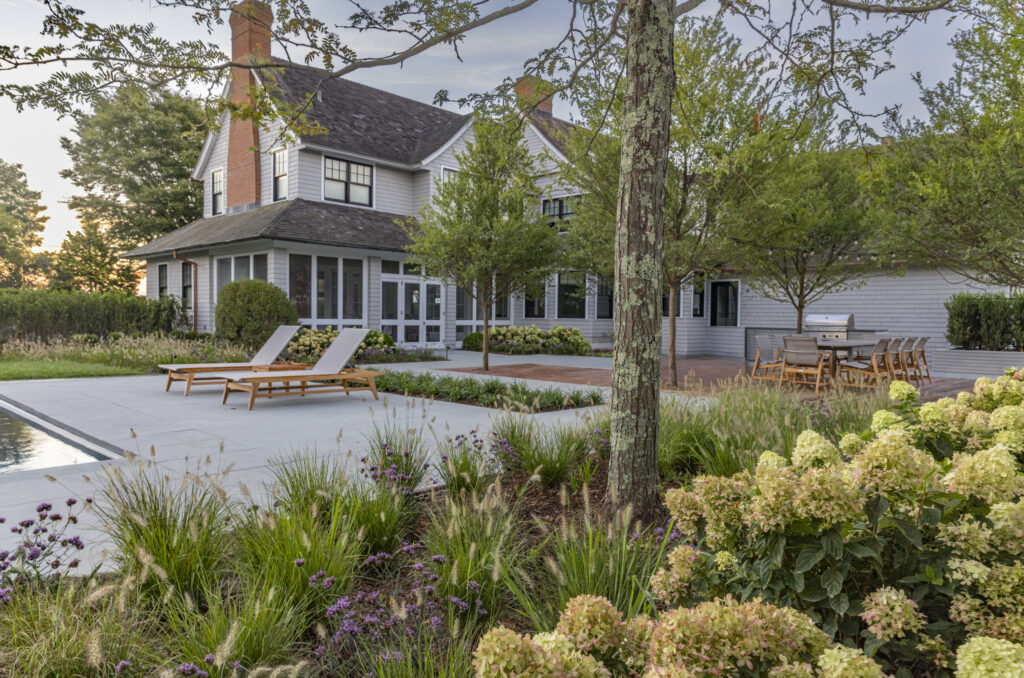
It is a living investment. Thes properties require year-round professional attention – seasonal plantings, irrigation system management, tick and mosquito programs, fertilization, storm cleanup, winterization, snow management, and beyond. For seasonal or weekend residents, full-service property management packages are the norm, not the exception. And the same holds true for full-time residents, as both softscape and hardscape features are really meant to be professionally maintained.
“We find that, for some clients, the maintenance commitment is something they hadn’t even considered. And I understand that – they’re excited, and they have a vision of the perfect finished product, but no understanding of what it takes to maintain that snapshot over time.” says Matt Albanese, “Maybe they’ll spend $200,000 on a landscape and then discover that keeping it the way it looked on day one can cost $30,000 a year. Of course, numbers always vary, but at this level we really try and make sure early on in the process that clients understand what’s involved, because it really isn’t optional – especially in the demanding natural environments we work in out here.”
The reality is this: if you’re going to undertake a landscaping project, factoring in regular maintenance is essential. Things can deteriorate quickly without the proper care, and fixing them is far more of a cost than maintaining them, so make it a line item from the start, and you’ll enjoy the experience so much more.
In Conclusion: The Single Best Thing You Can Do
Is Plan Early. Really. Give yourself the runway to explore and understand not only the things we’ve mentioned here, but all of the factors involved. A stressful project is not an enjoyable project, and here at Owen we want you to enjoy the process as much as the results. Knowledge dispels uncertainty, and proper planning puts you in control before timelines shrink and changes need to be made.
At the end of the day, developing luxury landscapes in the Hamptons, the Gold Coast and the North Fork are serious – and expensive – undertakings. But that doesn’t mean they shouldn’t be fun. We’re excited to create them every day and with every new project, and you should be too.
And we can help you get there, so if you are thinking about this or are even in the process already and find that you’re stressed or stuck or just need to ask some questions we mean it when we say just reach out – we’re always happy to help.